How Children Can Ask for Help in English
Asking for Help in English: Words, Phrases, and Activities for Children teaches a child to state a problem, request action, and respond afterward. Begin with “Help, please,” “Can you help me?” and “I don’t understand.” Add verbs that identify the need: “open,” “find,” “read,” or “explain.” Role-play, routines, and calm correction turn these phrases into spoken English.
📥 My English Help-Phrase Toolkit
Practise asking for support clearly, politely, and safely at school, at home, and in public places.
Leave your email — we'll send the PDF to your inbox.No spam — the PDF plus one short reminder. Unsubscribe anytime.
Core Words and Phrases
Asking for Help in English: Words, Phrases, and Activities for Children covers four functions: getting attention, naming a problem, requesting action, and thanking the helper. Teach complete phrases when possible. “Can you help me open this?” gives children a ready sentence instead of isolated words.
Younger learners can use short forms; older children can match the phrase to the setting. Direct requests suit urgent moments. Softer requests fit lessons, shops, journeys, and conversations with unfamiliar people.
Longer requests are not always better. A frightened or upset child may only manage “Help, please.” Accept the message, then model a fuller sentence after the child calms down.
Choosing a Phrase for the Situation
Teach children to name the problem and needed action. “I can’t find my bag. Can you help me look for it?” tells the listener what to do. The pattern works with “read,” “carry,” “spell,” “choose,” and “understand.”
“Can you help me?” and “Could you help me?” are both polite. “Could” often sounds softer, but it is not a strict rule. Tone, eye contact, and “please” make requests respectful.
Children need phrases for language support: “What is this called in English?”, “How do you say this word?”, and “Can you show me an example?” Multilingual learners can use existing knowledge while developing English.
Examples Children Can Use in Context
During a lesson, a child might say, “I don’t understand the question. Could you explain it?” or “I know the answer, but I don’t know the word in English.” LearnLink’s experienced tutors can model the phrase, answer, and invite an independent retry.
At home, practise “Can you help me tie this?”, “Could you reach that box for me?”, and “I can’t find the next page.” Parents can ask, “What do you need me to do?” The child must then specify the action.
In public, children may need “Excuse me, where is the bathroom?”, “I’m lost. Can you help me?”, or “I need to call my parent.” Treat these as safety language, not a test. Getting help matters more than accurate grammar.
Activities for Different Ages
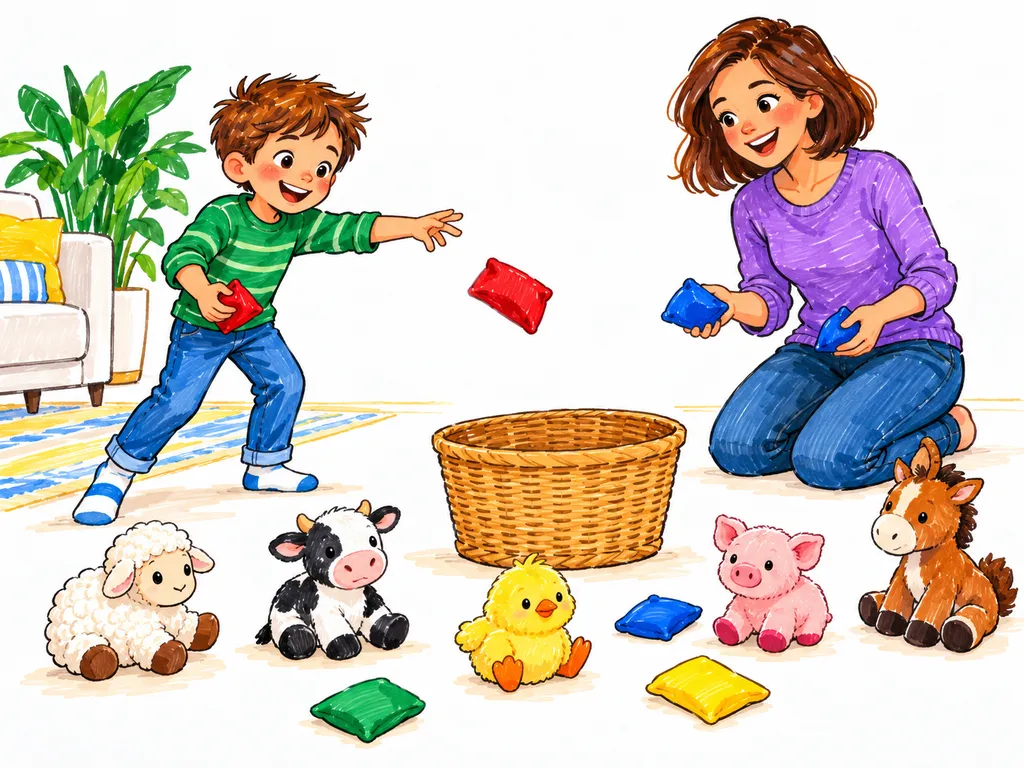
For school-age kids, create visible problems. Put a toy in a closed box, offer a jar they cannot open, or hide one puzzle piece. Model “Help, please,” then expand it to “Can you help me open it?” Repeat the phrase with different objects.
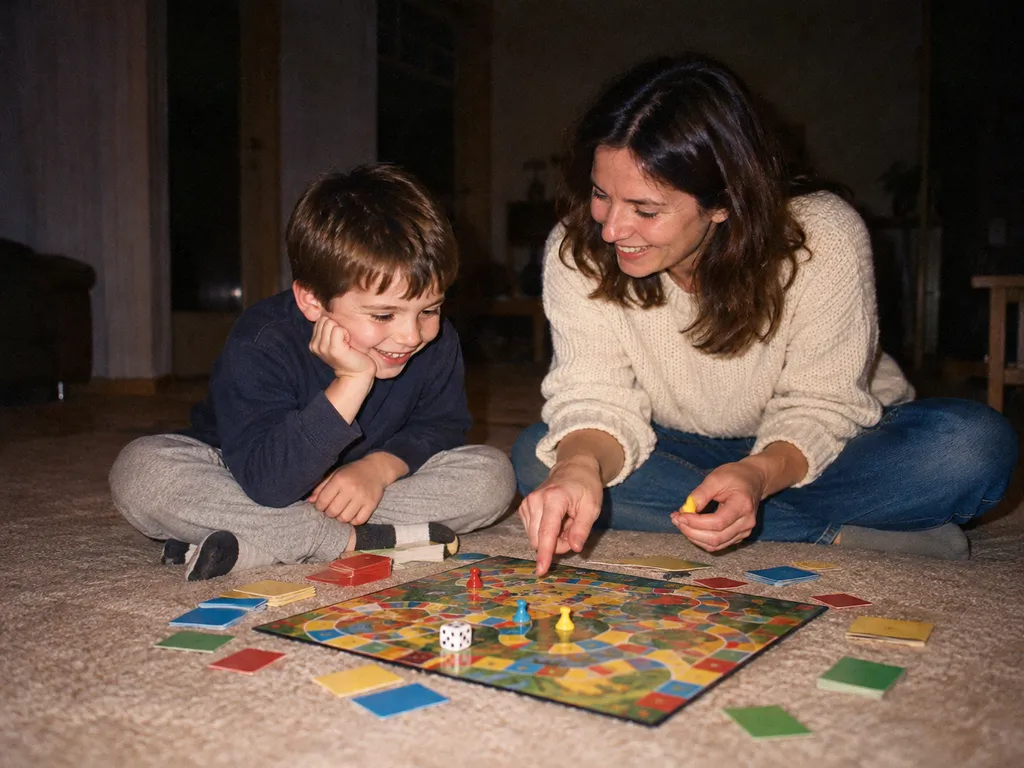
For school-age kids, prepare request cards about a missing pencil, unknown word, or confusing game rules. The child selects a card and requests help. With Asking for Help in English: Words, Phrases, and Activities for Children, reward an understandable request, not sentence length.
For school-age kids, compare requests for a friend, tutor, shop worker, or unfamiliar adult. Contrast “Help me with this” and “Excuse me, could you show me how this works?” Ask which sentence fits each listener and why.
Simple Practice at Home
Add help phrases to cooking, packing a school bag, or preparing a game. Let the child request one object, explanation, or action. When revisiting Asking for Help in English: Words, Phrases, and Activities for Children, change the situation while retaining one familiar sentence frame.
The Help Ladder
Place an object out of reach or leave one task step unfinished. The child states the problem: “I can’t reach it.” Next comes the request: “Could you pass it to me, please?” The helper asks, “Did that solve the problem?” The child replies, “Yes, thank you,” or names the remaining need.
Repeat a phrase three or four times in real situations, then wait for an unprompted request. If the child stays silent, supply only the first two words: “Could you…” The prompt supports speech without completing the task.
Common Mistakes and Gentle Corrections
Children may say, “Can you to help me?” After “can” or “could,” English uses the base form: “Can you help me?” Repeat the corrected sentence and continue the conversation. Save grammar explanations for another moment.
Children may say “I don’t know” instead of “I don’t understand.” Contrast the meanings: “I don’t know the answer” means the answer is missing; “I don’t understand the question” means the message is confusing.
Word order may reflect another language. Respond to the need, then recast the sentence: Child: “You can help me?” Adult: “Yes. Can you help me? That’s the way to ask.” Brief correction respects the speaker and keeps the conversation moving.
- Model the correct phrase gently, then invite your child to repeat once.
- Practice two help requests during play with children aged six to nine.
- Use a favorite picture book to spot three polite asking phrases together.
- Praise clear attempts before correcting word order, pronunciation, or missing polite words.
- Try a five-minute role-play where toys ask for help and respond kindly.
When a word has several meanings or pronunciations, Cambridge Dictionary is a useful check before turning it into child-friendly examples.
Frequently Asked Questions
Which Help Phrase Should a Child Learn First?
Start with “Can you help me, please?” It works in many settings. Younger children can begin with “Help, please” and add detail later. Next, teach repetition—“Could you say that again?”—and understanding—“What does this mean?”
How Should I Correct an Incorrect Request?
Answer first when the child needs help. Then model the sentence and invite one quick retry. Asking for Help in English: Words, Phrases, and Activities for Children should develop confidence and accuracy. Frequent interruptions discourage requests; a brief recast supplies the correct pattern without creating a test.
What Can I Do If My Child Is Too Shy to Ask?
Practise with familiar people in predictable situations before trying the phrase in public. Your child can point to a phrase card, whisper, or speak with you. Reduce support gradually. Respond to understandable attempts, then model a fuller version.
Can My Child Use Another Language While Learning These Phrases?
Yes. A child can explain the problem in a home language, then practise the request in English. Existing languages support learning. Compare expressions when helpful, but avoid word-for-word translation if English uses another pattern. The goal is obtaining suitable help and becoming more independent.
Start your child's English journey today — book a trial lesson with LearnLink.
Stay updated on our latest tips and resources by following us on Instagram LearnLink.